 Jogeshwari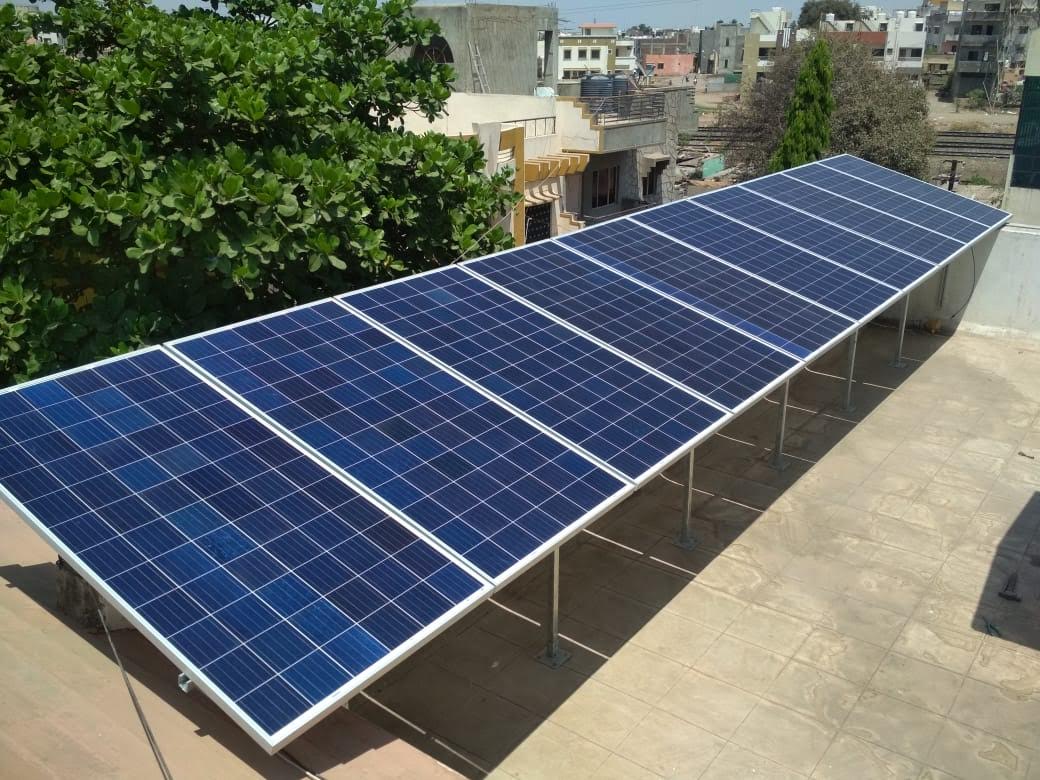
Introduction: What If Your Home Could Generate Electricity and Stay Powered During Outages?
Imagine enjoying the benefits of solar energy during the day while having backup power when the electricity supply goes off. For many Indian households and businesses, power cuts, rising electricity bills, and dependence on conventional electricity remain common concerns.
Hybrid Solar System: The Smart Solution for Savings and Power Backup
By Jogeshwari Services | Solar Energy Solutions
Introduction: What If Your Home Could Generate Electricity and Stay Powered During Outages?
Imagine enjoying the benefits of solar energy during the day while having backup power when the electricity supply goes off. For many Indian households and businesses, power cuts, rising electricity bills, and dependence on conventional electricity remain common concerns.
A hybrid solar system offers a practical solution by combining solar panels, battery storage, and electricity grid connectivity in one integrated system. It helps you use clean solar energy, store surplus electricity for later use, and maintain power for selected appliances during grid outages, depending on the system configuration.
At Jogeshwari Services, we believe that choosing solar energy should be about more than reducing electricity bills. It should also be about improving energy independence, comfort, and long-term value.
What Is a Hybrid Solar System?
A hybrid solar system is a solar power solution that combines solar panels, a hybrid inverter, battery storage, and a connection to the electricity grid.
Unlike a conventional on-grid system, which generally shuts down during a grid outage for safety, a properly configured hybrid system can provide backup power through its battery and backup output.
The system can use solar electricity to run appliances, charge the battery, and, where permitted and configured, draw electricity from the grid when solar generation and stored energy are insufficient.
How Does a Hybrid Solar System Work?
A hybrid solar system generally works in four steps:
1. Solar panels generate electricity
Solar panels convert sunlight into electrical energy during the day.
2. Solar power runs your appliances
The electricity generated can power compatible household or business appliances, reducing the amount of electricity you need to purchase from the grid.
3. Excess solar energy charges the battery
When solar generation exceeds the immediate load, available surplus energy can charge the battery, depending on system settings and battery capacity.
4. Stored energy provides backup
When the grid supply fails, a suitably designed hybrid system can use the battery to power selected appliances connected to its backup circuit.
Note: Actual performance depends on sunlight, system size, battery capacity, inverter specifications, connected load, and system configuration.
Key Benefits of a Hybrid Solar System
1. Backup Power During Electricity Outages
One of the biggest advantages of a hybrid solar system is its ability to provide backup power during grid interruptions.
Depending on the design, essential appliances such as lights, fans, Wi-Fi routers, computers, and selected other equipment can continue operating.
For families, this can mean greater comfort during power cuts. For shops and offices, it can help reduce interruptions to daily activities.
2. Reduce Your Electricity Bills
Solar energy can reduce your dependence on grid electricity. By using the power generated by your solar panels directly and storing surplus energy for later use, you can improve your solar energy consumption.
Your actual savings depend on your electricity tariff, daytime consumption, solar generation, battery usage, and applicable electricity regulations.
3. Better Energy Independence
A hybrid solar system gives you more control over how you generate, use, and store electricity.
Instead of relying entirely on the grid, you can use solar energy during the day and stored energy when required. The degree of independence depends on your system's capacity and your electricity consumption.
4. Make Better Use of Solar Energy
With suitable battery storage, surplus solar electricity can be stored instead of being immediately exported to the grid.
This can be particularly useful for homes and businesses that need electricity in the evening or during periods when solar generation is low.
5. A Cleaner Energy Choice
Solar power generates electricity without direct emissions during operation. By replacing some grid electricity with solar energy, you can help reduce your dependence on conventional energy sources.
Hybrid vs On-Grid vs Off-Grid Solar Systems
Choosing the right solar system depends on your electricity usage, budget, and backup requirements.
1. On-Grid Solar System
1. Solar Panels: Generates electricity using sunlight.
2. Grid Connection: Connected to the main electricity grid.
3. Battery Storage: Usually does not include batteries.
4. Power Backup: Generally does not provide power during grid outages due to safety requirements.
5. Best For: Homes and businesses looking to reduce electricity bills where grid supply is reliable.
2. Hybrid Solar System
1. Solar Panels: Generates electricity from sunlight.
2. Grid Connection: Connected to the electricity grid.
3. Battery Storage: Includes batteries to store surplus solar energy.
4. Power Backup: Can provide backup during power cuts when configured with a suitable hybrid inverter, battery, and backup circuit.
5, Best For: Homes and businesses looking to save on electricity bills while having backup power during outages.
3. Off-Grid Solar System
1. Solar Panels: Generates electricity independently using sunlight.
2. Grid Connection: Usually operates without a connection to the electricity grid.
3. Battery Storage: Uses batteries to store energy for use when sunlight is unavailable.
4. Power Backup: Supplies electricity through the solar and battery system, subject to system capacity and available stored energy.
5. Best For: Remote locations, farmhouses, and properties with limited or no reliable grid access.
Which one should you choose?
1. Choose - on-grid solar - if reducing electricity bills is your primary goal and backup power is not essential.
2. Choose - hybrid solar - if you want solar savings along with battery backup.
3. Choose - off-grid solar - if you need a standalone electricity system where grid supply is unavailable or unsuitable.
Is a Hybrid Solar System Suitable for Your Home?
A hybrid solar system can be a good choice for homes that experience frequent power cuts, need evening backup, or want to make greater use of solar electricity.
It can also suit villas, independent houses, small offices, clinics, shops, and other businesses with suitable load and backup requirements.
Before installation, it is important to evaluate:
A] Your average monthly electricity consumption.
B] The appliances you need to run during a power cut.
C] How many hours of backup you require.
D] Available rooftop space and sunlight exposure.
E] Your budget and expected payback period.
F] Battery capacity, warranty, and expected service life.
For example, a home that only needs lights, fans, and Wi-Fi during outages may require a different battery capacity from a home that also wants to operate a refrigerator, water pump, or air conditioner.
A properly designed system should match your actual requirements rather than simply choosing the largest available system.
Why Consider a Hybrid Solar System in Solapur, Maharashtra?
Solapur receives substantial sunshine during many parts of the year, making rooftop solar worth considering for suitable residential and commercial properties.
However, solar generation varies with season, weather, shading, rooftop orientation, and equipment performance. A site assessment is therefore important before deciding the system capacity.
For customers in Solapur and surrounding areas, a hybrid solar solution can help combine daytime solar generation with backup power for selected loads when the grid supply is interrupted.
The right design should consider local electricity usage patterns, applicable Maharashtra electricity regulations, and the customer's backup priorities.
Why Choose Jogeshwari Services for Your Solar Requirements?
At Jogeshwari Services, we work in the solar energy sector with a focus on helping customers explore suitable solar solutions for their properties.
With experience in solar projects and a commitment to customer guidance, our aim is to help customers understand their options before investing in a solar system.
What matters when choosing your solar partner?
A] Requirement-based guidance: Select a system based on your actual electricity consumption and backup needs.
B] Suitable system planning: Consider solar capacity, inverter compatibility, battery storage, and essential loads together.
C] Quality-conscious solutions: Evaluate suitable components, manufacturer warranties, and technical specifications.
D] Long-term value: Consider operating costs, maintenance requirements, battery life, and expected savings before making a decision.
Jogeshwari Services is an authorised channel partner of Tata Power Renewable Energy. Customers can contact our team to discuss suitable solar options and confirm the product and service scope available for their requirements.
Frequently Asked Questions About Hybrid Solar Systems
1. Does a hybrid solar system work during a power cut?
Yes, a suitably configured hybrid system can supply backup power through its battery during a grid outage. The backup load must be connected appropriately, and the inverter must support backup operation.
2. Can a hybrid solar system run an entire house?
It can be designed to support a large portion of a home's electrical load, but running the entire house depends on inverter capacity, battery size, appliance starting currents, and backup duration.
3. How long will a hybrid solar battery last during an outage?
Backup duration depends on usable battery capacity and the total load connected.
For example, a battery with 5 kWh of usable energy supplying a constant 1 kW load would theoretically provide around five hours before accounting for conversion losses and other operating limits.
4. Is a hybrid solar system more expensive than an on-grid system?
Generally, yes. Hybrid systems typically cost more because they include battery storage and additional backup-capable equipment. However, the right comparison should consider your need for backup, electricity usage, and long-term costs.
5. Does a hybrid solar system need maintenance?
Yes. Periodic inspection, inverter monitoring, checking electrical connections, and following the battery manufacturer's maintenance and operating guidelines help support safe and reliable operation.
6. Can I add a battery to my existing on-grid solar system?
Sometimes, but it depends on the existing inverter, system architecture, compatibility, and electrical configuration. A technical assessment is needed to determine whether adding storage or upgrading equipment is feasible.
7. How do I choose the right hybrid solar capacity?
The right capacity depends on your electricity consumption, rooftop conditions, daytime solar requirements, backup load, and the number of hours of backup you need. A professional assessment can help determine suitable solar and battery capacities.
Conclusion: Take the Next Step Towards Smarter Energy
A hybrid solar system can offer a valuable combination of solar electricity, battery storage, and backup power. For households and businesses looking to reduce grid dependence while preparing for power interruptions, it is an option worth exploring.
The key is to select a system designed around your actual needs, with the right combination of solar panels, inverter capacity, battery storage, and backup circuits.
Ready to explore hybrid solar for your home or business?
Connect with Jogeshwari Services to discuss your electricity consumption, backup requirements, and suitable solar options.
Jogeshwari Services — Smarter Solar Solutions for a Brighter Future.
Contact our team for a solar consultation and a system recommendation based on your requirements.